

To really get the most out of your call center, focusing on quality assurance call monitoring is key. Here are the main things to remember to make your program work well and help your team succeed.
Key Takeaways
- Set clear goals and use specific metrics to measure success in your quality assurance call monitoring.
- Use tools and data to understand how calls are going and where agents might need extra help.
- Always keep improving by listening to feedback and providing ongoing training for your team.

Proven Strategies for Effective Quality Assurance Call Monitoring
Implementing a solid call quality monitoring program isn’t just about ticking boxes; it’s about making sure every customer interaction counts. The goal is to consistently provide excellent service and help agents improve. This means looking beyond just the surface-level metrics and really digging into what’s happening on those calls.
One of the first steps is to set clear expectations. What does good service actually look like for your company? You need specific criteria for evaluating calls, and these should be documented. Think about things like how agents greet customers, how well they listen, and if they follow through on promises. Different types of calls, like sales versus support, will need different evaluation points. Using scorecards that reflect these variations helps make the feedback fair and useful. It’s also a good idea to let agents see these scorecards and understand why certain things are being measured. This transparency helps everyone get on the same page.
Here are some key strategies to put into practice:
- Regular Calibration Sessions: Get your QA team, supervisors, and even some agents together regularly to review the same calls. This helps everyone agree on what good performance looks like and keeps scoring consistent. Aim for at least one session a week, especially when you update your evaluation forms.
- Sufficient Sample Size: Don’t just pick a few calls at random. To get a real picture of performance, you need to review a large enough sample. Traditional methods can make this tough, which is where modern call monitoring solutions come in handy. They can help automate the process so you can review more interactions without it taking forever.
- Targeted Monitoring: While random checks have their place, focusing on specific types of calls can be more insightful. This could mean looking at calls with high-value customers, or interactions where a customer had a previous issue. This approach gives you more relevant information for coaching.
- Agent Feedback Loop: Your agents are on the front lines. Ask for their input on the monitoring process and what could be improved. When their suggestions lead to positive changes, let them know. This makes them feel heard and more invested in the QA process.
Relying solely on manual call evaluation can be a bottleneck. Modern call monitoring experts often recommend using a mix of manual review and automated tools. This combination allows for broader coverage and more consistent scoring, freeing up valuable time for actual coaching and development.
When you’re looking at different call monitoring services, consider how they can help you achieve these strategies. Some systems can automatically analyze calls, flag key moments, and even suggest scores. This kind of technology can significantly boost the efficiency and accuracy of your call quality monitoring efforts. It’s about working smarter, not just harder, to ensure every customer gets the best possible experience. You can find more information on call center quality assurance best practices to help guide your approach.
Key Metrics That Make Quality Assurance Call Monitoring More Effective
When you’re looking at how to make your call center’s quality assurance actually work, you’ve got to pay attention to the numbers. It’s not just about listening to calls; it’s about tracking what matters. These metrics give you a clear picture of what’s going on and where you can make things better.
Think about it. If you don’t measure, how do you know if you’re improving? You’re just guessing. And guessing in customer service? That’s a fast track to unhappy customers.

Here are some of the main things you should be keeping an eye on:
- First Call Resolution (FCR): This is a big one. Did the agent solve the customer’s problem on the first try? If not, the customer has to call back, which costs you more and annoys the customer. Aiming for a high FCR rate is super important.
- Customer Satisfaction (CSAT): After the call, how did the customer feel? A quick survey can tell you if they were happy, neutral, or upset. This is a direct measure of how well you’re doing from the customer’s point of view.
- Average Handle Time (AHT): This is how long an agent spends on a call, including talk time, hold time, and any after-call work. While you don’t want agents rushing, a consistently high AHT might mean they need more training or better tools. It’s a balance.
- Agent Adherence to Schedule: Are your agents starting and ending their shifts on time, and taking breaks as scheduled? This might seem like a simple attendance metric, but it impacts call availability and overall team efficiency.
- Quality Score: This is usually based on your call monitoring scorecard. It looks at things like politeness, accuracy of information, and if the agent followed all the right procedures. This is where the qualitative side really comes into play.
Here’s a quick look at how some of these might stack up:
| Metric | Target Range | Notes |
|---|---|---|
| First Call Resolution | 75-85% | Higher is generally better. |
| Customer Satisfaction | 80%+ | Aim for satisfied or very satisfied. |
| Average Handle Time | Varies | Depends on call type; monitor trends. |
| Quality Score | 90%+ | Based on your specific scorecard criteria. |
You need to pick metrics that actually mean something for your business. Don’t just track a bunch of numbers because someone told you to. Great customer experiences come from understanding what matters most and using data to make smarter decisions, not simply collecting information.
Tracking these metrics helps you see patterns. Maybe a certain type of issue always leads to a low CSAT score, or maybe one agent consistently gets high quality scores but has a longer AHT. This kind of information is gold for improving agent performance. It tells you exactly where to focus your coaching and training efforts. Without these numbers, you’re just flying blind, hoping for the best. And in today’s world, hoping isn’t a strategy.
Industry Standards That Shape Quality Assurance Call Monitoring
When we talk about quality assurance in call centers, it’s not just about making sure agents are polite. There are actual standards and guidelines that help shape how we monitor calls and what we look for. These aren’t just random rules; they’re put in place to make sure customers get a consistent and good experience, no matter who they talk to.
Think of it like this: different industries have different needs. A healthcare call center will have different standards than a retail one, especially when it comes to privacy and the kind of information they handle. That’s why having clear benchmarks is so important. It helps everyone understand what ‘good’ looks like.
Here are some common areas where industry standards play a big role:
- Compliance and Regulations: Many industries have strict rules about data privacy (like HIPAA in healthcare or GDPR in Europe) and how customer information can be handled. QA monitoring needs to check that agents are following these rules to the letter. Failure to comply can bring expensive fines and serious legal challenges.
- Customer Experience Benchmarks: While not always a formal regulation, many industries have developed common expectations for customer service. For example, how quickly should a customer get a response? What’s the target for resolving an issue on the first try? These benchmarks help set the bar for what’s considered acceptable service.
- Specific Industry Protocols: Some fields require specific steps or phrases to be used during calls. This could be for safety reasons, to ensure all necessary information is gathered, or to meet specific service level agreements (SLAs). For instance, financial services might have specific disclosure requirements.
It’s really about making sure that the service provided is not only efficient but also safe, legal, and meets the expectations of the customers within that specific sector. This strengthens customer trust and encourages repeat business. For a deeper look into setting up effective QA, check out call center quality assurance best practices.
The goal of industry standards in QA is to create a predictable and reliable service experience for customers. It replaces guesswork with measurable standards, helping every interaction meet legal and customer expectations.
How Data and Analytics Improve Quality Assurance Call Monitoring
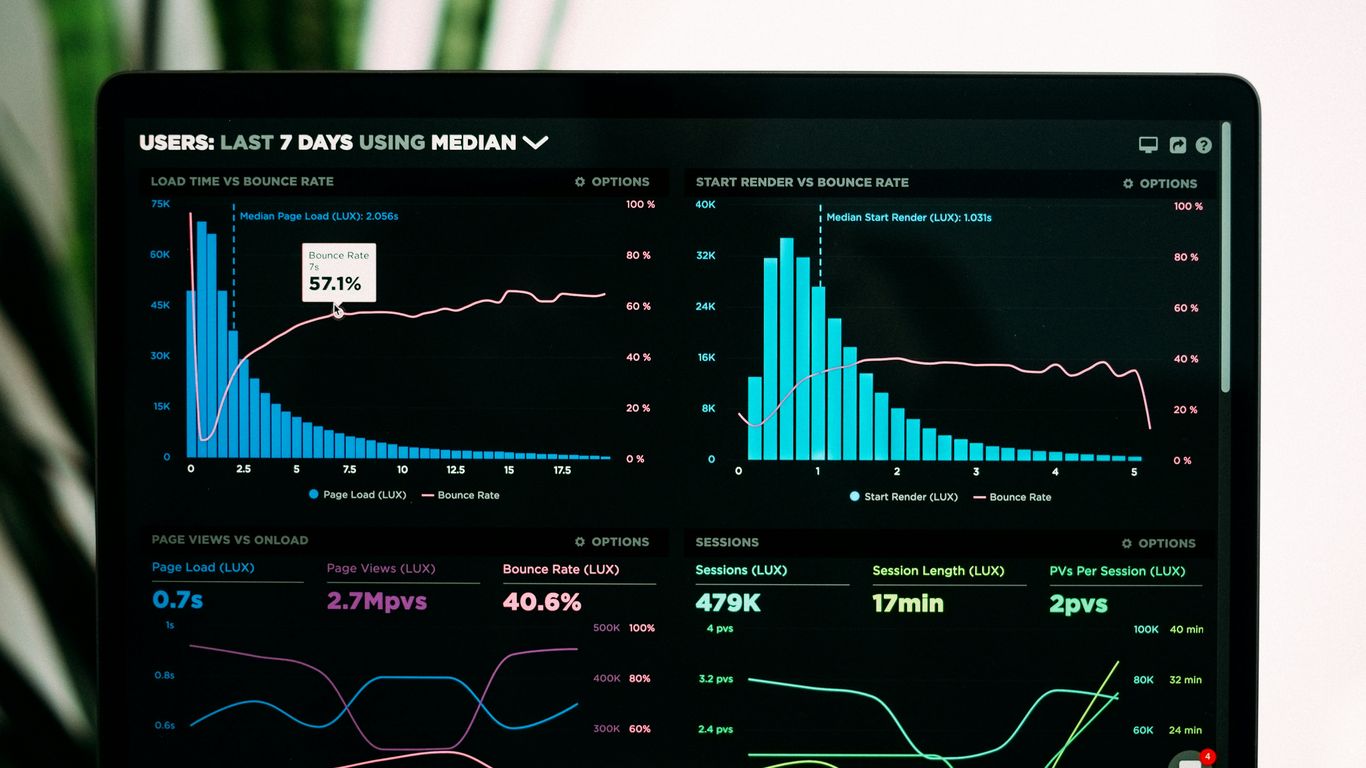
Looking at call data and using analytics can really change how you do quality assurance. It’s not just about listening to a few calls anymore; it’s about seeing the bigger picture. When you collect and analyze information from all your customer interactions, you start to notice patterns you might have missed before. This helps you understand what’s working and what’s not, across the board.
The real power comes from turning raw data into actionable insights. Instead of guessing why a certain call didn’t go well, you can look at the data and see if it was a common issue, like a specific product question or a process that’s confusing. This makes your feedback to agents much more specific and helpful.
Here are a few ways data and analytics make a difference:
- Identifying Trends: You can spot recurring problems or successes that affect many calls. For example, if many customers are asking the same question, it might mean your website FAQ needs an update or agents need more training on that topic. This is where call center analytics can really shine.
- Performance Tracking: Metrics like First Call Resolution (FCR), Average Handling Time (AHT), and Customer Satisfaction (CSAT) scores give you concrete numbers to work with. You can see how individual agents are doing and where the team as a whole might need support.
- Predictive Insights: Advanced analytics can even help you anticipate future issues. Current data allows businesses to prepare for higher call volumes and proactively retain at-risk customers.
It’s also about making the monitoring process itself more efficient. Tools that use AI can automatically flag calls that might need a closer look, saving your QA team time. This means they can focus their energy on coaching and development rather than just listening to random calls. Think about it: if an AI can tell you which calls had high customer frustration based on sentiment analysis, you can jump in and help the agent right away, or use that call as a learning example for others.
Using data means your quality assurance efforts become less about subjective opinions and more about objective, measurable improvements. It helps create a consistent experience for every customer, no matter who they speak with.
When you have this kind of data, you can also make smarter decisions about training. If you see that agents consistently struggle with a particular type of inquiry, you can create targeted training modules. This is much more effective than general training that might not address the specific needs of your team. A smarter approach helps enhance the quality of every customer interaction.
What High-Performing Teams Know About Quality Assurance Call Monitoring
High-performing teams understand that effective QA call monitoring isn’t just about finding mistakes; it’s about continuous improvement and agent development. They know that consistent evaluation is key, but they also recognize the limitations of random sampling. Instead, they often lean towards targeted monitoring, focusing on interactions that offer the most learning opportunities, like those with high-value customers or after a negative customer experience. This approach provides more relevant data for coaching.

These teams also prioritize calibration sessions. Bringing together QA analysts, supervisors, and even agents to review the same calls helps align everyone on scoring standards. This consistency is vital for fair feedback and agent buy-in. Without it, agents can get conflicting advice, which is frustrating and counterproductive.
Here’s a look at what sets them apart:
- Agent Feedback Integration: They actively solicit and act on feedback from their agents regarding the monitoring process and evaluation forms. When agent suggestions lead to positive changes, they make sure to communicate that impact.
- Data-Driven Insights: High performers use analytics to identify trends across all interactions, not just a select few. Automated monitoring tools help them get a more accurate picture of overall performance, freeing up time for actual coaching.
- Omnichannel Visibility: In today’s world, customer interactions happen across various channels. Top teams ensure their QA call monitoring extends to social media, email, and chat, using channel-specific evaluation forms where needed.
- Empowering Agents: They provide agents with access to their QA scores and evaluations, often through dashboards. This transparency encourages accountability and self-correction. They also allow agents to dispute scores, fostering a more collaborative improvement process.
High-performing teams view QA call monitoring as a tool for growth, not just compliance. They understand that by making the process transparent, collaborative, and data-informed, they can significantly improve both agent performance and customer satisfaction. This proactive stance helps build loyalty and sets them apart in a competitive market.
They also understand the importance of using the right tools. Solutions that offer real-time visibility into queues, agent availability, and live calls can make a big difference in managing operations and identifying immediate coaching needs. For those dealing with multiple communication channels, having a unified view of interaction quality is a game-changer for consistent service delivery.
Ultimately, these teams don’t just monitor calls; they use the insights gained from call center quality assurance to build a culture of continuous learning and exceptional customer service.
Discover what top teams know about checking call quality. Top-performing businesses understand that strong call practices drive customer loyalty and smoother operations. Want to learn more about how to make your team’s calls even better? Visit our website today to find out how we can help!
Conclusion
Implementing effective quality assurance call monitoring isn’t just a good idea; it’s pretty much a necessity for any business that wants to keep customers happy and coming back. By focusing on clear goals, using the right tools, and always looking for ways to get better, you can make sure your team is doing a great job. Remember, it’s all about helping your agents do their best work and making sure every customer has a good experience. Keep at it, and you’ll see the difference.
Frequently Asked Questions
What is quality assurance call monitoring all about?
Think of quality assurance call monitoring as checking in on how your team talks to customers on the phone. It’s like a coach watching a game to see what players are doing well and where they can improve. The main goal is to make sure customers are treated right and have a good experience every time they call.
Why is quality assurance call monitoring important for a business?
It’s super important because happy customers stick around and tell others good things about you. When you monitor calls, you can catch problems early, help your agents get better at their jobs, and make sure your company’s reputation stays strong. It helps streamline operations and identify cost-saving opportunities.
How can I make my quality assurance call monitoring better?
You can start by having clear rules for what makes a good call. Use tools that help you listen to calls or look at data. Also, talk to your agents, get their ideas, and give them training. Always be ready to change things up based on what you learn. It’s a team effort to get better.


