

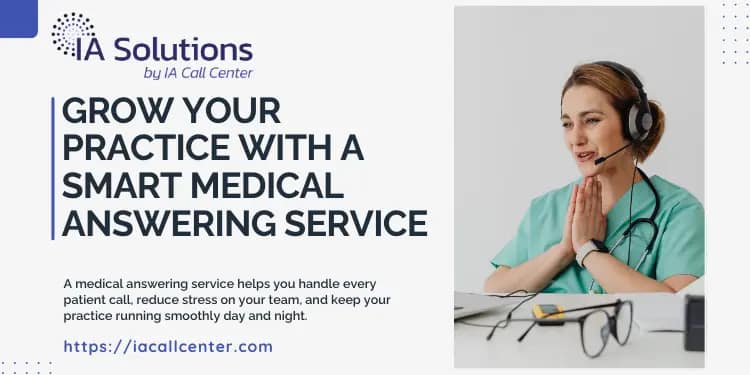

Running a healthcare practice is tough. Between seeing patients, handling paperwork, and keeping up with rules, there’s barely time to breathe. Then the phone rings, again and again. If you’re missing calls or rushing through patient questions, it’s easy for things to slip. That’s where a medical answering service steps in. It helps catch every call, gives your staff a break, and makes sure patients always get a real answer, no matter the time. Here’s why adding a medical answering service might be one of the smartest moves for your practice.

Key Takeaways
- A medical answering service helps you catch every patient call, so no one gets stuck waiting on hold or sent to voicemail.
- Your team can dedicate less time to calls and more time to patient care and essential duties.
- With 24/7 coverage, you don’t have to worry about missing calls after hours or during staff shortages.
How a Medical Answering Service Strengthens Patient Communication
When a patient calls your practice, they’re often looking for more than just a quick answer; they’re seeking reassurance and a connection. A medical answering service serves as an extension of your clinic, managing every call and message with professionalism and attention to patient needs. This consistent, high-quality communication builds trust and makes patients feel genuinely heard.
Think about the typical patient call. It might be a simple question about office hours, a request for a prescription refill, or a more urgent concern about symptoms. Without a dedicated service, these calls can easily get lost in the shuffle, leading to frustration and a feeling of being overlooked. A medical answering service, however, is designed to catch every call. They can answer frequently asked questions, route urgent messages to the appropriate staff member, and even provide appointment details or directions. This immediate responsiveness shows patients that their needs are a priority.
Here’s how a good answering service improves communication:
- Immediate Response: Calls are answered quickly, reducing hold times and the chance of a patient hanging up.
- Consistent Messaging: Trained agents deliver information in a way that aligns with your practice’s tone and policies.
- Personalized Interactions: Callers can be greeted by name, and their history can be referenced, making the interaction feel more personal.
- Nuanced Call Routing: Urgent calls are flagged and sent to the right person immediately, while routine matters are handled efficiently.
The way a patient experiences your practice over the phone can significantly shape their overall perception. A friendly, efficient, and reliable answering service creates a positive first impression that lasts.
Beyond just answering the phone, these services can also manage appointment reminders and follow-ups. This proactive communication helps reduce no-shows and keeps patients engaged with their care plan. For patients who speak different languages, multilingual support is a game-changer, breaking down barriers and making your practice more accessible to a wider community. Ultimately, a medical answering service bridges the gap between your practice and your patients, ensuring clear, compassionate, and continuous communication.
Why a Medical Answering Service Improves Clinic Efficiency
Running a busy medical practice means the phones are almost always ringing. Your front desk staff are likely doing their best, but when call volume spikes, it’s tough to keep up. This is where a medical answering service really steps in to help.
Think about all the routine questions that come in daily: “What are your hours?” “Can I get a prescription refill?” “How do I schedule an appointment?” A good answering service can handle many of these common inquiries automatically. This frees up your staff from repetitive tasks, allowing them to focus on patients who are physically in the office or require more complex attention. This shift in focus can significantly reduce errors and improve the quality of care provided.

Here’s how it helps:
- Reduces administrative burden: By taking routine calls, the service lessens the load on your front desk, preventing burnout and allowing them to manage in-office tasks more effectively.
- Minimizes missed calls: No more lost patients due to unanswered phones. Every call is captured and handled, whether it’s a new appointment request or an urgent message.
- Streamlines workflow: Messages are relayed quickly and accurately to the right person, cutting down on delays and ensuring patient needs are met promptly.
When your staff isn’t constantly interrupted by phone calls, they can dedicate more time to direct patient care, administrative duties that require their specific skills, and internal team coordination. This leads to a smoother operation overall, with fewer bottlenecks and a more positive environment for both staff and patients.
Furthermore, these services often integrate with your existing practice management software. This allows data to move seamlessly between systems, reducing manual entry and minimizing errors.. It’s about making your practice run like a well-oiled machine, where every team member can perform at their best without being bogged down by constant phone interruptions.
Key Features to Look for in a Modern Medical Answering Service
When you’re looking for a medical answering service to help your practice grow, it’s not just about having someone pick up the phone. You need a service that works with your practice, making things smoother for both your staff and your patients. Think about what really matters day-to-day.
Here are some important things to consider:
- HIPAA Compliance: This is non-negotiable. Any service handling patient information must follow strict privacy rules. You need to be sure that sensitive data, like medical history or insurance details, is kept secure and confidential. No exceptions here.
- EHR/EMR Integration: Imagine a patient booking an appointment, and it automatically shows up in your electronic health record system without anyone having to type it in again. This kind of integration saves a ton of time and cuts down on errors. It makes the answering service a real part of your clinic’s workflow, not just an add-on.
- Customizable Responses: Every practice is different. A service that lets you tailor scripts and answers to your specific needs is a big plus. Whether it’s answering common questions about a particular procedure or providing directions, custom responses mean patients get information that’s relevant to them, in your practice’s voice.
- Omnichannel Communication: Patients today use all sorts of ways to get in touch – phone calls, texts, website messages. A modern service should be able to handle all these channels and keep the conversation history in one place. This way, anyone on your staff can see the full picture of a patient’s interaction, no matter how they reached out.
- 24/7 Availability: Your patients might need help at any hour. A service that provides round-the-clock coverage means you don’t miss calls when your office is closed. This is especially important for urgent matters or simply for patients who prefer to call outside of business hours.
A good answering service should feel like an extension of your own team. It needs to be reliable, secure, and adaptable to your practice’s unique way of doing things. The goal is to make patient communication easier and more effective, freeing up your staff to focus on providing care.
When choosing, ask about their setup process and how quickly they can get started. You’ll also want to understand their reporting capabilities – what kind of data can you get about call volumes, types of inquiries, and patient feedback? This information can be really useful for understanding your practice’s needs better.
How a Medical Answering Service Enhances Patient Satisfaction
When patients reach out to your practice, they’re often looking for reassurance or timely help. A smart medical answering service makes sure that first interaction is a positive one, which really matters. Think about it: no one likes being put on hold forever or getting a voicemail. A good medical call answering system picks up quickly, usually within a few rings. This means fewer abandoned calls and patients who feel heard right away.
This kind of responsiveness builds trust. Patients know they can reach you when they need to, even outside of regular office hours. It highlights that you value their care at all times, not just when it’s convenient. This consistent availability can make a big difference in how patients perceive your practice.

Here’s how it helps:
- Faster Call Pick-up: Patients connect with a live person instead of waiting on hold or navigating complex phone menus.
- 24/7 Availability: Your practice remains accessible, providing peace of mind for patients with urgent needs outside of business hours.
- Professional Interactions: Trained agents handle calls with empathy and efficiency, reflecting positively on your practice’s image.
- Accurate Information: Patients receive prompt and correct answers to common questions, reducing frustration and confusion.
A reliable healthcare answering service acts as a friendly, professional extension of your practice. It ensures that every patient interaction, from the first call to a follow-up, is handled with care and efficiency. This consistent, high-quality communication builds stronger relationships and encourages patient loyalty.
Ensuring patients feel cared for and connected increases the likelihood they will stick with your practice. They remember the positive experience, which can also lead to better reviews and word-of-mouth referrals. Investing in a good medical answering service is really about investing in your patients’ experience and the long-term health of your practice. You can find services that offer professional call handling tailored to medical needs.
Choosing the Right Medical Answering Service to Grow Your Practice
Picking the right medical answering service is a big step for your practice. It’s not just about answering phones; it’s about how you connect with patients and how smoothly your office runs. Think about what your practice really needs. Are you missing calls after hours? Is your front desk swamped? A good service acts as an extension of your team, providing vital medical practice support.

When you’re looking around, consider a few key things:
- Coverage Needs: Do you need 24/7 support, or just help during busy times and after hours? Some services offer tiered plans, so you’re not paying for more than you use.
- Features: What specific tasks do you want the service to handle? This could range from simple message taking to appointment scheduling, prescription refill requests, or even providing basic health information.
- Technology: Does the service use modern, secure systems? Look for HIPAA compliance and clear protocols for handling patient data. Some advanced medical call center solutions can even integrate with your existing EMR system.
- Staff Training: How are their agents trained? A good service will ensure their staff understands medical terminology and has a compassionate, professional demeanor.
Here’s a quick look at what different levels of service might offer:
| Service Level | Primary Functions | Best For |
|---|---|---|
| Basic Message Taking | Taking messages, forwarding urgent calls | Practices needing simple after-hours coverage |
| Virtual Receptionist | Scheduling, appointment reminders, basic inquiries | Practices looking to offload administrative tasks and reduce no-shows |
| Advanced Support | Triage, patient intake, EMR integration, multilingual | Larger practices or those with complex communication needs |
Don’t just go with the cheapest option. The quality of your patient’s first impression often comes through the phone. A service that understands your practice’s unique needs and patient population will make a real difference in patient retention and overall satisfaction. It’s an investment in your practice’s reputation and future growth.
Picking the best medical answering service can really help your practice grow. It’s like having a super helpful assistant that handles calls so you can focus on patients. Want to see how we can help your practice thrive? Visit our website today to learn more!
Wrapping Up
So, running a medical office is already a lot. You’ve got patients to see, paperwork to sort, and rules to follow. The last thing you need is to be constantly interrupted by ringing phones. A good medical answering service can really take a load off. It means you won’t miss important calls, your patients get help quicker, and your staff can actually focus on giving care. You don’t have to handle every single appointment, reminder, or late-night question alone. The right service can manage all that without breaking the bank or being too complicated. Ultimately, it’s about making things easier for everyone involved – your team and the people you serve. If you want your practice to run more smoothly and keep patients happy, getting a medical answering service just makes sense.
Frequently Asked Questions
What exactly does a medical answering service do?
Think of a medical answering service as an extra helper for your doctor’s office. When you can’t answer the phone because you’re busy with patients or it’s after hours, this service steps in. They can take messages, schedule appointments, answer simple questions, and remind patients about their visits. Some use real people, while others use smart computer programs to help patients at any time, day or night.
How can using a medical answering service save my practice money?
With an answering service, you can manage calls efficiently without investing in more personnel or costly systems. The service can handle many calls at the same time, so you won’t miss important calls or patients. This saves you money on staff and lost business.
Will a medical answering service understand my practice’s specific needs?
Yes, good answering services can be set up to work just like your office. They can be given specific instructions on how to answer questions, what information to collect, and how to direct calls. This means they can speak in your practice’s ‘voice’ and handle calls in a way that fits your specialty and patient care style.


